Short-Form Excerpts
“A Community” – Backcountryhunters.com
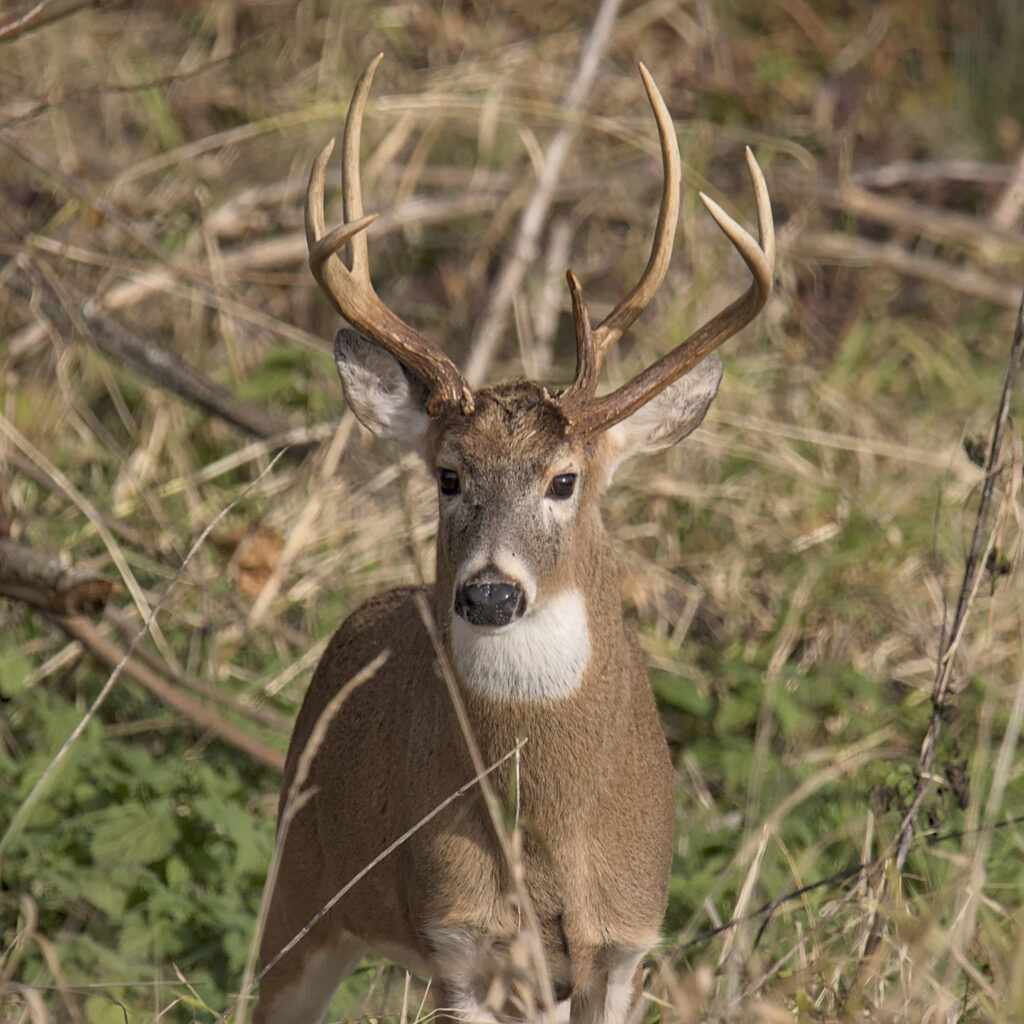
The 2024 Armed Forces Initiative 3-D Archery Shoot took place at the Tacoma Sportsmen’s Club on May 18th and 19th and drew a diverse crowd of participants. After registration, participants navigated the woods, arrowing 40 targets ranging from the typical fare of mule deer and elk to exotics such as giant cobra and mutated stag beetle. For those feeling competitive for a prize, the course also offered a moving elk and a long-range moose target. After completing the course, participants could have just turned in their scorecards and driven home – but the event planners had something else in mind – a social element.
“Sage Advice” – Backcountryhunters.com
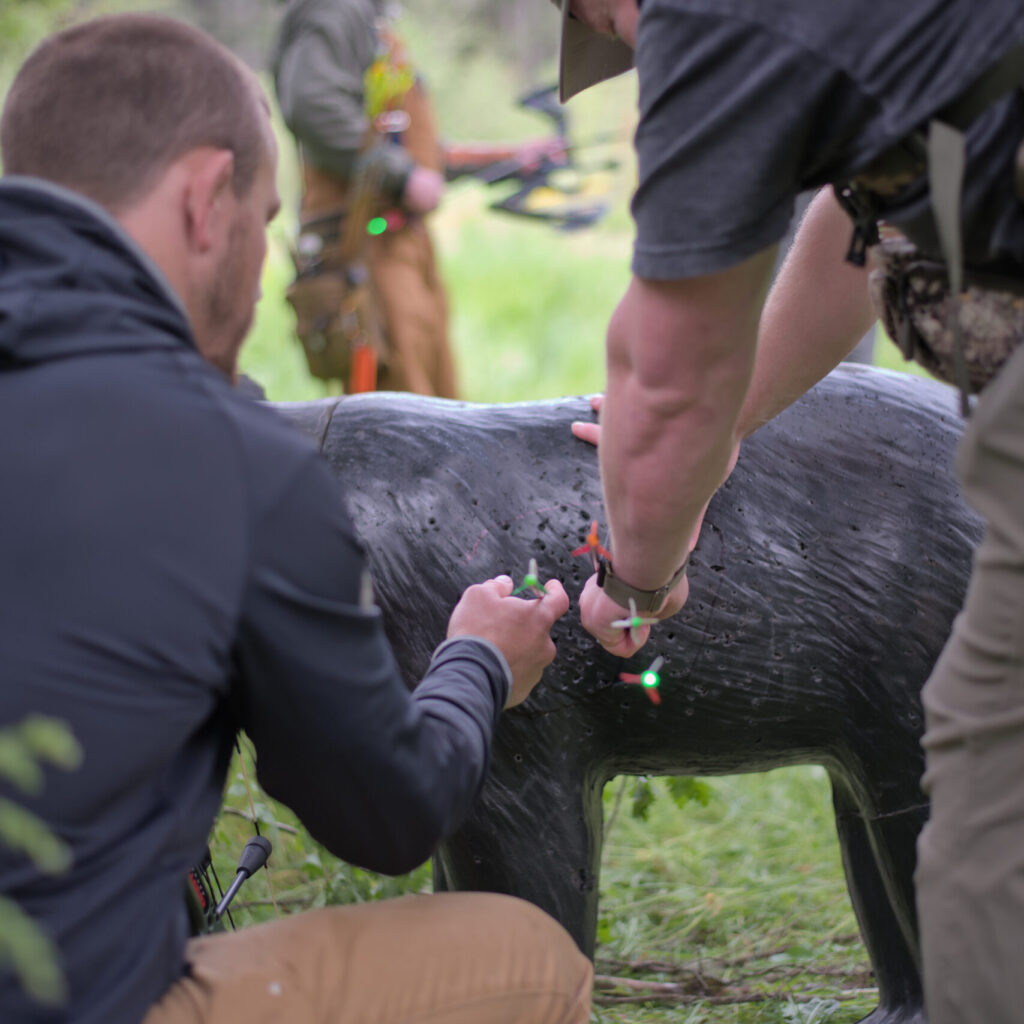
Under clear blue skies, eight volunteers from across the Evergreen State exit their vehicles on the border between ranch and public lands. The low winter sun paints highlights in the sage and snow-covered steppe. While the weather may not be ideal for all forms of hunting, it is almost perfect for spotting grouse. Shawn McCarthy, the state’s outgoing AFI Liaison and organization’s oncoming National Chair, calls the group of strangers together…
“Elk Hoof Disease 101” – Backcountryhunters.com
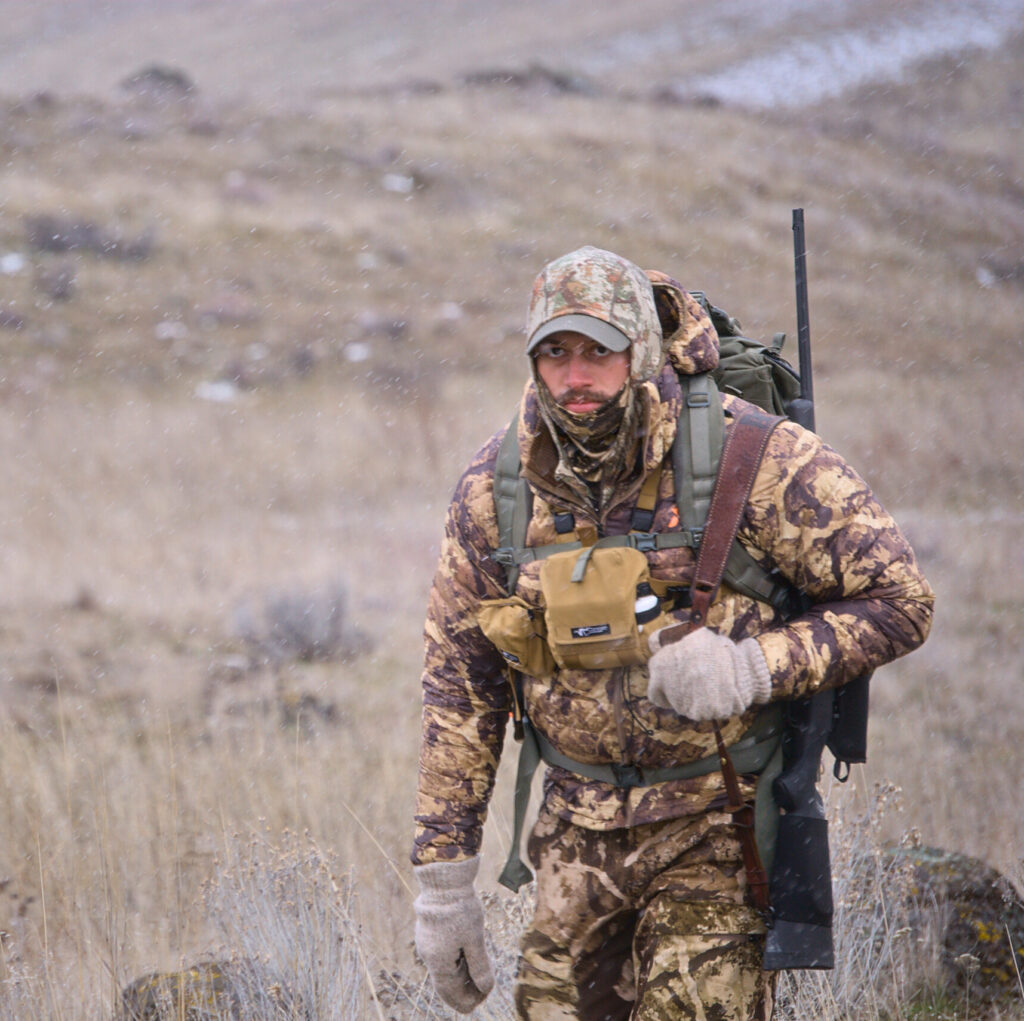
Treponeme associated hoof disease (TAHD), or simply elk hoof disease, is a bacterial disease that spreads from elk to elk and affects the hooves and fitness of those afflicted. While you’ll find plenty of theories about its emergence on forums, a conclusive determination has yet to be made. Claimed sightings date back to the late 1990s, though it remained only a slight concern until a major increase in reported cases in 2008 drove scientists to learn more about this emerging disease. Since then, hoof disease has spread beyond Washington to Oregon, Idaho, and most recently California in 2020. Despite hoof disease also being prevalent in livestock, there is no known cure.
Long-Form Excerpt
“White-Tails on the Cusp” – Backcountry Journal
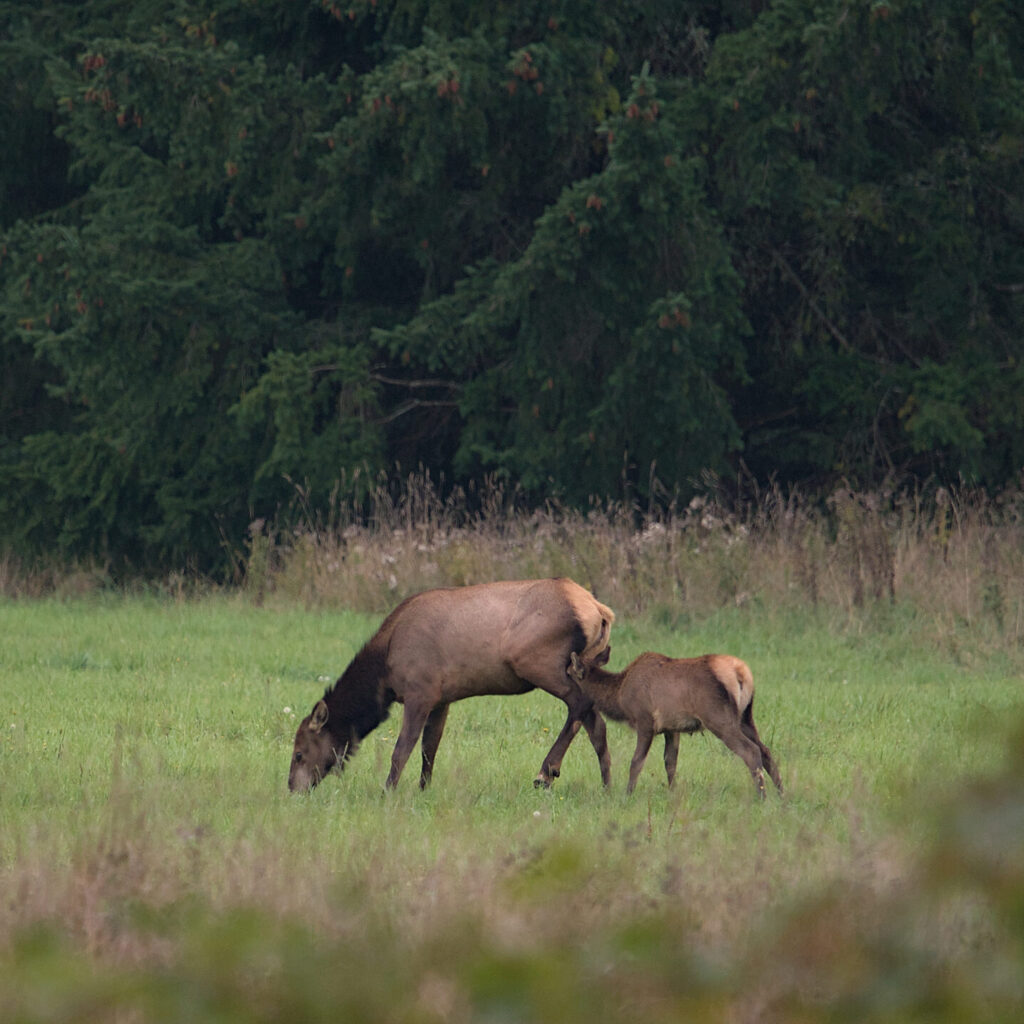
When Lauckhart wrote a report in 1940 proposing land acquisitions to correct what western expansion had done to Columbian white-tailed (CWT) deer populations, he was unknowingly lighting a very long fuse. It wouldn’t be until 1966 that further action would be taken when President Johnson signed the Endangered Species Preservation Act, the precursor to the Endangered Species Act. In 1967, an estimated 450 CWT deer resided in only 2,000 acres of quality habitat, and the deer was subsequently listed as endangered in 1970. One year later, a parcel of land along the Columbia River was purchased and named the “Columbian White-Tailed Deer National Wildlife Refuge.”